

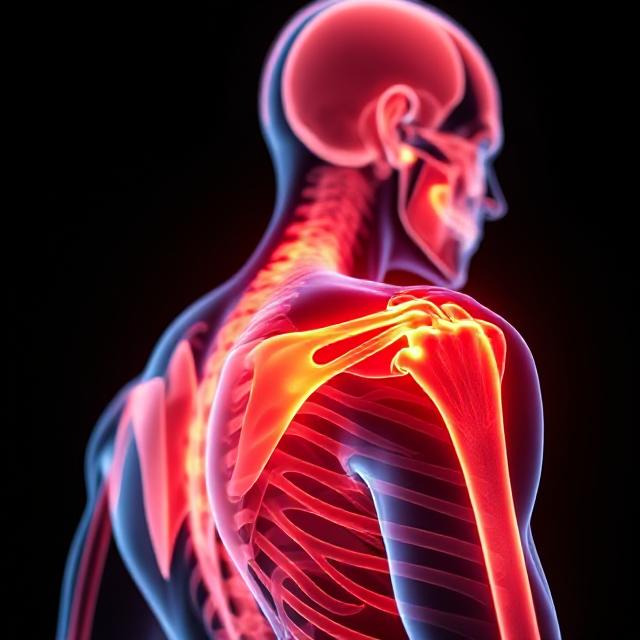
"Shoulder pain accounts for nearly 20 percent of all musculoskeletal complaints worldwide." That number is striking. One of the most common causes behind this discomfort is frozen shoulder, a condition that can feel frustrating and limiting. The good news is that recovery is possible, and treatment of frozen shoulder physiotherapy plays a vital role in…
Erectile dysfunction (ED) is the persistent inability to achieve or maintain an erection firm enough for satisfactory sexual activity—a condition affecting up to half of men over 40. Recognizing early symptoms and patterns can empower you to seek timely help, protect cardiovascular health, and restore confidence. This article maps out four core domains:
Core Symptoms…
Erectile dysfunction (ED) affects nearly half of Canadian men over 40, indicating a persistent inability to achieve or maintain an erection firm enough for sexual intimacy. Understanding the different types of erectile dysfunction vascular, neurogenic, hormonal, and psychogenic clarifies underlying mechanisms and guides tailored treatments. This article defines ED, explores each subtype’s causes, symptoms, and…
Persistent difficulties achieving or maintaining an erection can signal an underlying health issue that affects both physical well-being and intimate relationships. Understanding how to check erectile dysfunction empowers you to recognize warning signs early, perform an informed self-assessment, and navigate the medical diagnostic process. This guide covers four key themes: identifying common ED symptoms, conducting…
Peyronie’s disease is defined by fibrous plaque formation within the tunica albuginea, the fibrous envelope surrounding erectile tissue. This pathophysiological process reduces elasticity in the penile shaft, leading to curvature that may hinder intercourse and provoke discomfort. Recognizing this mechanism early supports prompt intervention and symptom relief.
The tunica albuginea is composed of dense collagen fibers…
Poor core stability occurs when the trunk muscles cannot adequately control movement or maintain posture, leading to functional limitations and discomfort. This deficiency undermines alignment, reduces balance, and elevates injury risk. In this article, we examine the main causes of a weak core, outline the telltale symptoms, describe professional assessment methods, recommend targeted exercises, explain how…
A resilient trunk underpins every movement from lifting groceries to sprinting on the track, yet weak core control contributes to lower back pain, poor posture, and reduced performance. This guide reveals how core stabilization protects the spine, transfers force efficiently, enhances balance, bolsters athletic output, and alleviates discomfort. You’ll explore:
What core muscles make stability…
Over 80 percent of adults experience lower back discomfort at some point, often due to weak stabilizing muscles that fail to support the lumbar spine. Core stabilization exercises target the deep abdominal and back muscles to protect the spine, enhance posture, and relieve pain. In this guide, you’ll discover:
What core stabilization means and why it…
Strengthening and coordinating the pelvic floor is essential for preventing incontinence, supporting childbirth recovery, and enhancing core stability. Mastering how to stabilize the pelvic floor empowers you to regain control over bladder function, reduce pelvic pain, and support spinal alignment. This guide delivers clear definitions, physiological mechanisms, and practical examples, covering:
The anatomy and critical role…
Pelvic floor exercises offer a targeted approach to reinforce the network of muscles supporting the bladder, uterus, and rectum, directly improving continence and pelvic stability. Many adults experience pelvic floor weakness or dysfunction, leading to urinary leaks, pelvic pain, or organ prolapse yet consistent exercise can reverse these symptoms and reduce the need for invasive interventions.
This…
Up to one in three adults experience pelvic floor weakness, leading to urgency, leakage, or discomfort. Strengthening these muscles is the proven solution to restore support for pelvic organs, improve bladder control, and enhance sexual health. In this guide, you'll discover why pelvic floor muscles matter, master Kegel exercises, explore four additional key movements, integrate routines…
Peyronie’s disease affects a significant number of men, leading to painful curvature, erectile dysfunction, and emotional distress. This guide defines key symptoms and causes, then maps an evidence-based roadmap through non-surgical therapies (oral drugs, injections, mechanical devices, shockwave), surgical interventions (plication, grafting, implants), and Health Canada–approved options like Xiaflex. You’ll learn how specialists diagnose and stage…
